



- Kill
- 479
- +0 negli ultimi 90 giorni
- Perdite
- 105
- +0 negli ultimi 90 giorni
- Efficienza
- Efficienza ISK 80%
- ISK distrutti
- 35.38B
- +0 negli ultimi 90 giorni
- Attività
- Inattivo
- 0 kill/giorno · ultimi 90 giorni
Scheda di combattimento
Numeri da eve-kill, di tutta la carriera
Combattimento
- Kill
- 479
- Perdite
- 105
- Indice di pericolo
- 97%
- Colpi finali
- 300
- Punti
- 479
ISK
- Distrutti
- 35.38B
- Persi
- 9.06B
- Bilancio
- +26.32B
- Efficienza ISK
- 80%
Solo
- Kill in solo
- 157
- Percentuale solo
- 33%
- Kill medie/giorno
- —
Altro
- Perdite contro NPC
- 3
- Quota perdite NPC
- 3%
- Attività
- Inattivo
Danni inflitti7.4M
Rapporto danni · 87%
Danni subiti1.1M
Attività
Cosa vola, dove combatte, le ultime kill e perdite
I più preziosi
Le kill più costose del periodo
Chi incontra
Chi uccide, da chi viene ucciso e cosa perde
Ultimi 90g
Uccisi
Ucciso da
Scafi persiPerdite suddivise per classe di scafo.
Bio in gioco
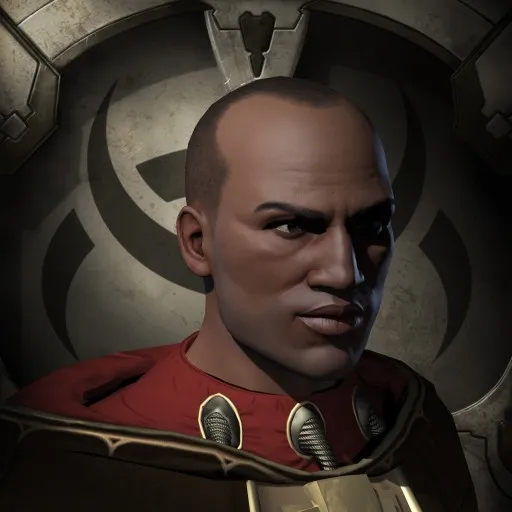
Barthusa Narek was born on the moons of Teon in the Ammatar Mandate, the son of a former slave and a Minmatar rebel fighter. His people had fought for freedom, but Barthusa never shared their thirst for vengeance. Instead, he sought something deeper — stability, purpose, and a way to make sense of a world fractured by constant conflict.
Growing up in the Mandate, Barthusa saw the complexities of life under the Amarr Empire’s rule. While many of his people resented their subjugation, Barthusa saw value in the structure it provided. Unlike the chaotic politics of the Minmatar Republic, which he believed lacked a clear path forward, the Ammatar Mandate had a firm order, even if it was imperfect. He didn’t view it as capitulation, but as a pragmatic approach to survival. The Republic’s ideals of freedom seemed distant, while the Mandate offered something tangible — stability, protection, and an opportunity for a better life, even if it came at a cost.
One day, while watching an Ammatar Navy warship descend from the heavens, Barthusa felt a spark of realization. The military strength of the Empire was obvious, but it was the Navy’s sense of order and discipline that struck him. In a universe torn by endless war, this was what Barthusa sought — a place where structure, not chaos, determined the course of events.
Joining the Ammatar Navy wasn’t just about loyalty to the Emperor; it was a practical decision. Barthusa believed that, if his people were to thrive, they needed a system that worked — one that provided protection and stability in a galaxy defined by conflict. The Ammatar Mandate, with its alignment to the Empire, seemed like the best chance for a future that wasn’t ruled by endless rebellion or instability.
The decision wasn’t without its sacrifices. His family, rooted in the ideals of the Republic, disowned him. Many of his fellow Minmatar saw him as a traitor. But Barthusa didn’t view it that way. He wasn’t out to prove loyalty to the Empire for its own sake; he was seeking a path that offered results, a way to survive and carve out meaning in a harsh universe.
As Barthusa rose through the ranks of the Ammatar Navy, it wasn’t his faith alone that set him apart — it was his calm, methodical approach to challenges and his unwavering commitment to the Navy’s mission. He wasn’t driven by ideals of conquest or divine purpose, but by the need for discipline and a sense of order.