


- Kills
- 765
- +0 in the last 90 days
- Losses
- 362
- +0 in the last 90 days
- Efficiency
- ISK Efficiency 71%
- ISK destroyed
- 26.45B
- +0 in the last 90 days
- Activity
- Inactive
- 0 kills/day · last 90 days
Combat Record
Career-long numbers from eve-kill
Combat
- Kills
- 765
- Losses
- 362
- Danger Ratio
- 99%
- Final Blows
- 672
- Points
- 765
ISK
- Destroyed
- 26.45B
- Lost
- 10.81B
- Balance
- +15.64B
- ISK Efficiency
- 71%
Solo
- Solo Kills
- 468
- Solo Ratio
- 61%
- Avg Kills/Day
- —
Other
- NPC Losses
- 4
- NPC Loss Ratio
- 1%
- Activity
- Inactive
Damage Dealt7.4M
Damage Ratio · 83%
Damage Taken1.5M
Activity
What they fly, where they fight, latest kills and losses
Most Valuable
The priciest kills in the window
Matchups
Who they kill, who kills them, what they lose
Last 90d
Killed
Killed By
Hulls LostLosses broken down by hull class.
In-game bio
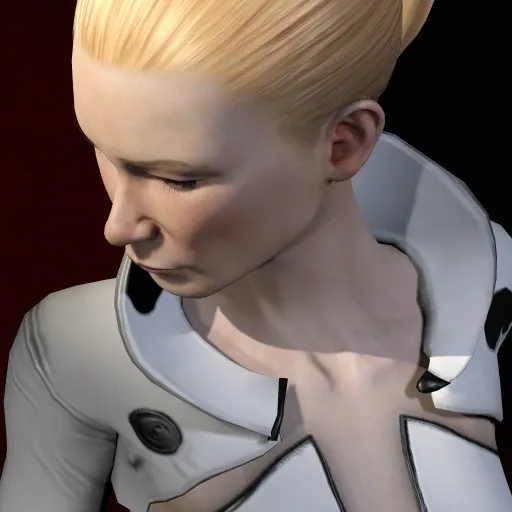
Vala's search for hope took an unexpected turn when she found solace and meaning in two distinct spheres - the ancient gods and the power structures of bureaucracy. This dual source of strength and inspiration represents a complex fusion of tradition and pragmatism.
The ancient gods, lost in the shadows of time, became for Vala a source of spiritual guidance and belief. Their mysterious presence provided her with an anchor in a world of change and uncertainty. By reviving the lost cult and rituals of the ancient gods, Vala found a purpose that extended beyond earthly defeats and the crisis of the Amarrian Empire.
At the same time, Vala embraced the power structures of bureaucracy as a pragmatic way to influence change. Where many others might see bureaucracy as a limiting force, Vala found its potential to create order and strength. By navigating the complex corridors of bureaucratic hierarchy, she could find opportunities to influence change and rebuild the Amarrian Empire from within.
This paradoxical combination of belief in ancient gods and the power of bureaucracy illustrates Vala Azar's ability to assimilate different perspectives and find strength in the diversity of her convictions. Her journey represents not only a personal survival story but also an exploration of how different currents of belief and power can intertwine to create a unique path forward.
In this symbiosis between the spiritual and the pragmatic, Vala Azar creates her own narrative of hope and renewal. Her journey beyond the expected boundaries of Amarrian society is a reminder of the human capacity to reshape and find strength in the most unexpected combinations of belief and power.